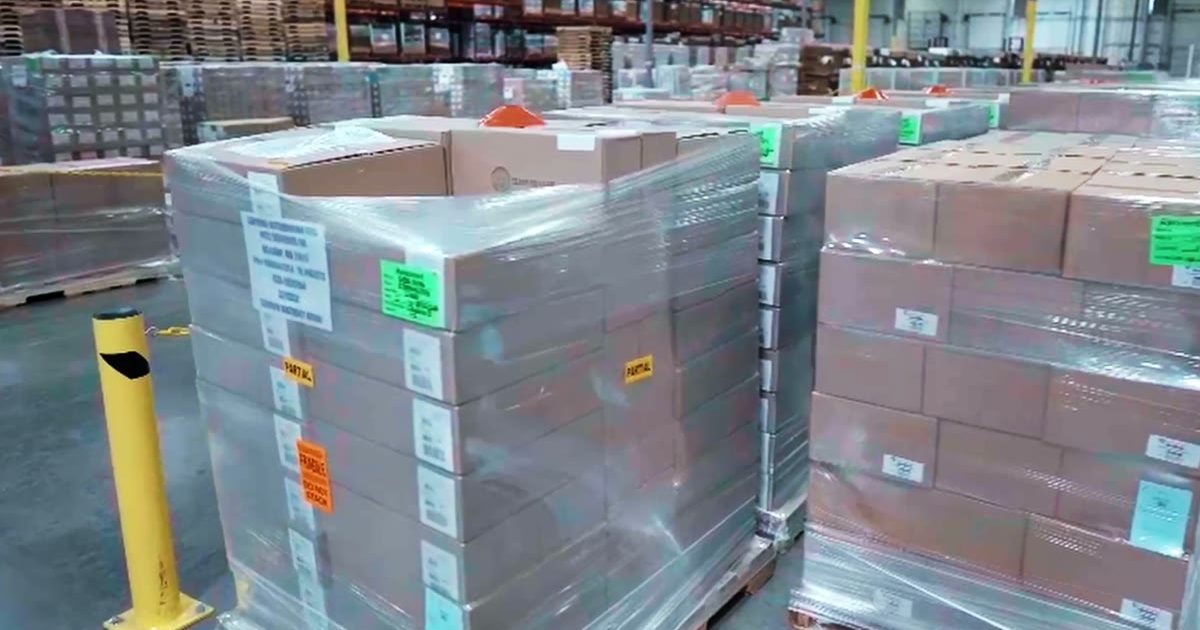
Co-packing and repacking are different jobs. A co-packer makes, fills or primary-packages your product. A repacker takes finished, sealed product and turns it into a new retail format: a variety pack, a club pack or a display-ready pallet. Most seasonal display programs are repack work, and they run best off the production line.
If you run supply chain for a food or beverage brand, you have probably watched a fall display program land on a plant built for long runs. This guide explains the difference between the two, why display programs disrupt production, what grocery and club buyers expect, and how to plan next year's programs before the spring buying window closes.
What's the difference between co-packing and repacking?
Co-packing creates the product; repacking re-formats product that already exists. A co-packer runs the recipe, fills the container and seals the primary package. A repacker never opens the primary package. It receives finished, sealed goods and builds them into the formats retail asks for.
| Co-packing | Repacking | |
|---|---|---|
| What it is | Making, filling or primary-packaging the product | Converting finished, sealed product into new retail formats |
| When you need it | You don't own production, or need more capacity to make the product | You need variety packs, club packs, multi-packs or displays from product you already make |
| Typical use | Core SKUs on long, steady runs | Seasonal displays, holiday variety packs, club and grocery promotions |
| Lead time drivers | Ingredients, formulation, line scheduling at the plant | Finished-goods supply, packaging materials and retailer ship windows |
Productiv does both. Contract packaging and co-packing covers private label packaging, filling and labeling. Repack and relabel, bundling, variety and club packs, and display builds turn finished product into retail formats. Most seasonal display programs are repack work, so that is where this guide spends its time.
Why do seasonal display programs disrupt production lines?
Food and beverage plants are built for straight case packs at line speed. Every variety pack, club pack or display shipper is a short run with a changeover cost, and it competes with core production for the same labor and line time.
The timing makes it worse. Seasonal packs are bought in spring and built in a compressed fall window, right when core volume is peaking. A plant or co-packer scheduled to capacity cannot add a repack line for eight weeks and stand it down again. The result is either a slower core line or a display program that ships late. Moving display builds to a repack partner keeps the plant on the long runs it was designed for.
What is NSF-certified repacking, and why does it matter?
NSF certification means an independent organization has audited a facility's food-safety practices against a published standard. For a repack operation, those audits typically look at how food product is received, handled, stored and packed, even though the primary package stays sealed.
Retail buyers and brand quality teams care because a repack partner handles finished food product before it reaches the shelf. Third-party certification gives them evidence they don't have to build themselves. Productiv's repack and bundling operation is NSF-certified. If you're comparing partners, ask what each one's certification covers before sending the first pallet.
What do grocery and club stores require for display programs?
Grocery and club buyers expect product to arrive ready to sell, labeled to their standard and shipped on their schedule. The specifics vary by retailer, and one product line shipping to three of them can mean three routing guides, three label specs and three chargeback structures:
- Club stores want display-ready pallets and club packs built to the exact unit count the buyer specified. Costco, for example, scores pallet standards and GS1-128 labels. See what Costco vendor compliance requires.
- Grocery chains score EDI accuracy and on-time delivery. Kroger is a common example.
- Mass retail scores on-time, in-full delivery. Walmart's OTIF program is the best-known version.
A repack partner that already ships to these retailers saves you the setup. Productiv holds pre-wired EDI connections to 60+ retailers, including grocery and club.
When should an F&B brand outsource display and variety packs?
Outsource when the display work starts costing the core business. These are the common signals:
- Frequent changeovers. Your plant spends more time switching formats than running them.
- Seasonal volume spikes. Display and variety programs arrive in the same window as your core peak.
- Compliance strain. Each new retailer program brings its own labels, pallet rules and ASN windows, and the chargebacks are adding up.
- Inventory split across vendors. Bulk sits at the co-packer, cases at a retail 3PL and online stock somewhere else, so safety stock is carried three times.
Price matters too. Generalist 3PLs often quote repack and bundling as an hourly add-on to storage, so the rate is hard to predict. Productiv prices every pack per unit, so the cost of a display program is known before the run starts. For surge-scale proof, Productiv has packed 2.7 million meals in two weeks for a federal disaster relief program.
How should you plan a 2027 display program?
Work backward from the retailer ship window, and start in the first half of the year:
- Winter: decide the formats. Which variety packs, club packs and displays you will pitch, and to which retailers.
- Spring: secure the programs. Seasonal packs are bought in spring. Confirm quantities, unit counts and retailer specs.
- Before summer: book the capacity. Commit packaging materials and repack line time, and set per-unit pricing in writing.
- Summer: approve the first unit. Build and sign off a first display or pack before the full run.
- Fall: build and ship. Run the program in the compressed fall window and ship to each retailer's window with compliant labels and ASNs.
What this looks like in practice
The brands with the calmest fourth quarter keep their plants on core product and send the seasonal formats to a dedicated repack operation, with one inventory pool feeding retail POs and online orders. For how that works across a full food and beverage program, see food and beverage fulfillment.
If you're planning 2027 display and variety-pack programs, talk to the team that builds them about your formats, retailers and timeline.
Key Takeaways
- →Co-packing means making, filling or primary-packaging the product; repacking means turning finished, sealed product into a new retail format such as a variety pack, club pack or display-ready pallet.
- →Seasonal display programs disrupt plants because every variety pack or display shipper is a short run with a changeover cost on a line built for long runs of straight case packs.
- →NSF certification gives retail buyers third-party evidence that a repack operation follows audited food-safety practices; Productiv's repack and bundling operation is NSF-certified.
- →Seasonal food and beverage packs are typically bought in spring and built in a compressed fall window, so 2027 display programs should be planned before summer.
- →Repack and bundling should be priced per pack, not per hour, so the cost of a display program is known before the run starts.
Frequently Asked Questions
What is a variety pack?
A variety pack is a retail unit that combines several flavors or products from a brand's line into one sellable package with its own UPC. It is built by repacking finished, sealed product, so the items inside are already complete when they reach the repack line.
Do I need an NSF-certified repack partner?
If your repacked product is going into grocery or club retail, an NSF-certified partner is the safer choice. Certification gives buyers independent evidence of audited food-safety practices, and many retailers and brands ask for third-party certification before approving a repack vendor.
How far ahead should I plan a holiday display program?
Plan in the first half of the year. Seasonal display and variety programs are usually bought in spring and built in a compressed fall window, so packaging, components and line time need to be committed before summer.
What is a club-store display pallet?
A club-store display pallet is a retail-ready pallet that goes straight onto the sales floor, with product packed in the exact unit count the club buyer specified. Clubs score pallet standards and labeling, so the pallet has to arrive display-ready rather than as cases to be shelved.
Is repacking the same as contract packaging?
The terms overlap. Contract packaging is a broad label for packaging work done by an outside partner; repacking is the specific job of converting finished, sealed product into new retail formats. Filling or manufacturing the product itself is co-packing.
2027 display programs
Keep the plant on long runs. Move the display builds off the line.
Variety packs, club packs and display pallets for 2027 get booked in spring. Talk through your programs, pack formats and retailer requirements with the team that builds them.
Talk to the repack team